Supporting Local Wildlife - Habitat Surveys Across the Estate
03 December 2025As part of its ongoing land management review, The Dulwich Estate has completed a series of ecological surveys at The Mill Pond, Grove Meadow, the Golf Club, and Orchard Field.
These surveys offer valuable insights into the rich biodiversity across the Estate and highlight the importance of preserving and enhancing these habitats for local wildlife. The key findings are:
Woodland and tree habitats
Mature trees and varied woodland areas provide essential shelter and foraging grounds for nesting birds and bats. Scrub and hedgerows also support hedgehogs, offering safe spaces for nesting, commuting and foraging.
Deadwood and log piles
Tree stumps and log piles are vital microhabitats for invertebrates, including the rare stag beetle - a priority species for which south London is a European stronghold. At two sites, these log piles also offer basking and sheltering spots for reptiles.
Grassland diversity
Ecologists recorded a wide range of plant species across grassland habitats, including birds-foot trefoil, creeping buttercup, lady’s bedstraw, autumn hawkbit, and common knapweed.
Butterflies
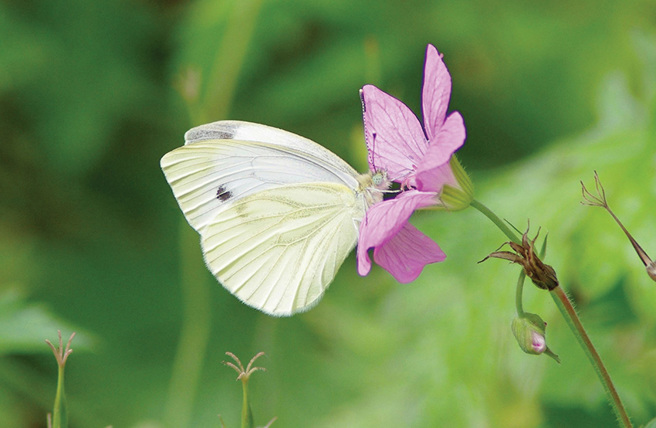
Orchard Field supported common butterfly species such as the speckled wood and small white.
Water bodies and amphibians
While temporary ponds at Mill Pond, Orchard Field, and Grove Meadow lacked connectivity for amphibians like newts, the golf course contains multiple ponds with potential to support breeding amphibians, if they retain water through summer. The surrounding terrestrial habitat is suitable for common frogs and toads.
Bats
The golf course’s woodland, ponds, and tree lines offer excellent habitat for commuting and roosting bats. Low light levels and strong habitat connectivity to nearby Sites of Importance for Nature Conservation (SINCs), such as Sydenham Hill Wood, further enhance its ecological value.
Rare tree species
A black poplar, one of the UK’s rarest native trees, was identified on site. Its catkins provide early-season nectar for bees and serve as a food source for moth caterpillars.
Hedgehog habitat
The mosaic of habitats across the golf course, allotments, and Sydenham Hill Wood likely supports a significant hedgehog population.
These findings reinforce the Estate’s commitment to responsible land stewardship and biodiversity conservation. They will contribute to Southwark Council’s records on Sites of Importance for Nature Conservation. By protecting and enhancing these habitats, we help ensure that Dulwich remains a thriving environment for wildlife and a green haven for the community.